First Time Snorkeling in Oman? A Beginner's Guide to the Daymaniyat Islands
Plenty of people arrive in Muscat having never put their face in the sea. If that's you, the Daymaniyat Islands are a great place to start. The reefs are close to the surface, the water is warm for much of the year, and there is a lot to look at as soon as you get in. This guide is for complete beginners. It covers what the experience feels like, the skills that make it easier, and the small things that turn a nervous first swim into a highlight of the trip.
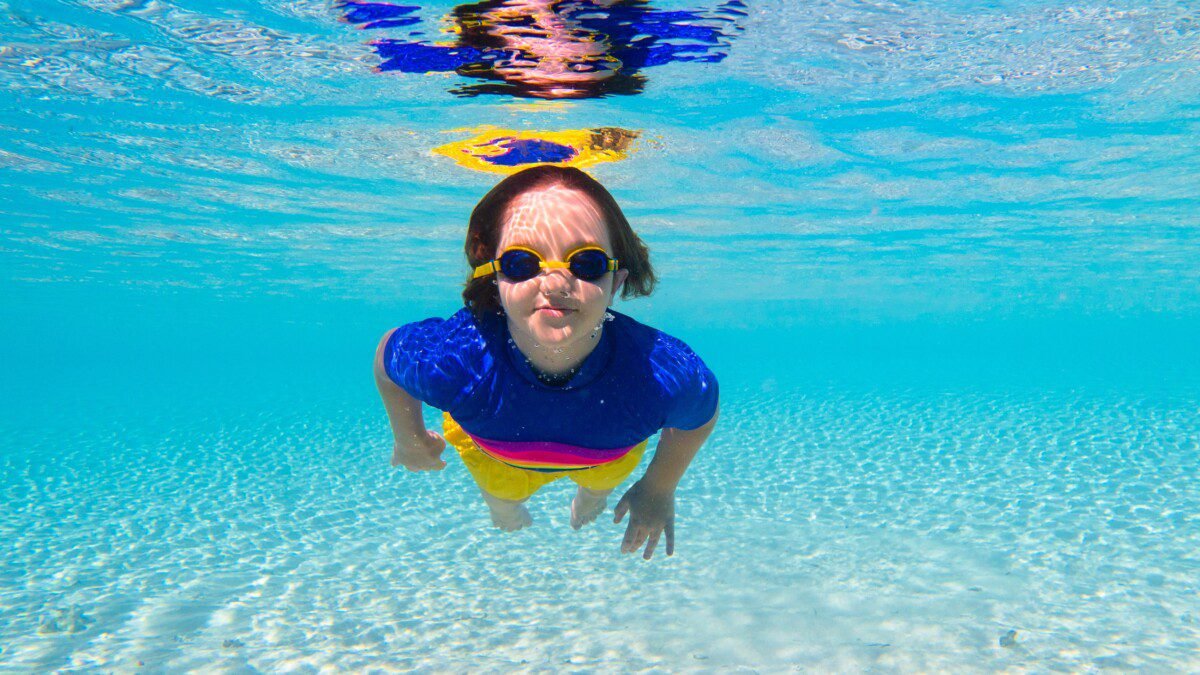
What Snorkeling Actually Feels Like
Snorkeling means floating face-down at the surface, breathing through a tube while you look at the reef below. You don't need to dive under or hold your breath. Salt water is buoyant, so most people float more easily in the sea than they expect, especially with fins on.
The strangest part for newcomers is usually breathing through your mouth with your face underwater. It feels unnatural for the first minute. After that, almost everyone relaxes and starts to enjoy the view.
Five Skills Worth Practising
1. Slow, deep breathing
Quick, shallow breaths make you feel short of air and can bring on panic. Breathe in slowly, then breathe out fully. Try it in a hotel pool or bathtub before your trip if you can.
2. Getting a good mask seal
Place the mask on your face without the strap and breathe in gently through your nose. If it stays in place on its own, it fits. Move all hair out of the way, because even a few strands can let water in.
3. Clearing water from the snorkel
If a little water gets into the tube, a short, sharp blow pushes it out. Practise this a few times at the start so it doesn't surprise you later.
4. Kicking from the hips
Long, slow kicks with fairly straight legs move you along without tiring you out. Fast, bicycle-style kicking burns energy and churns up the water.
5. Resting without standing
If you need a break, roll onto your back and float, or lift your head and tread water gently. Never stand on the reef. It damages the coral and can hurt your feet.
Packing List for a First Snorkel Trip
- Swimwear, worn under your clothes so you're ready to go
- A long-sleeve swim top or rash guard for sun protection
- Reef-friendly sunscreen, applied well before you get in
- A towel and a dry set of clothes for the ride back
- Sunglasses and a hat for time on deck
- A refillable water bottle
- Motion-sickness tablets if boats tend to make you queasy, taken before departure
- A waterproof pouch for your phone if you'd like photos
Handling First-Time Nerves
Feeling uneasy before your first swim in open water is completely normal. These tips help most people:
- Be upfront about your swimming ability when you book and again when you meet the crew. Guides can only help if they know.
- Get in slowly. Hold on to the boat ladder and put your face in the water for a few breaths before letting go.
- Stay near your guide. Having someone experienced next to you is reassuring and means you'll be shown the best things to see.
- Keep your first swim short. A few minutes in, a rest, then back in again builds confidence faster than one long attempt.
What Beginners Often Notice First
Many first-timers are surprised by how much there is to see in shallow water. Shoals of colourful fish move around the coral, and the Daymaniyat area is well known for sea turtles. Every trip is different, because these are wild animals in their natural home. Part of the fun is not knowing exactly what will appear.

Good Manners Underwater
- Look, but don't touch. That goes for coral, turtles and fish alike.
- Give turtles plenty of room and never swim directly at them.
- Keep fins away from the reef, especially in shallow spots.
- Bring all rubbish back to shore.
Beginner Questions
Do I need to be a strong swimmer?
You don't need to be a fast or strong swimmer, but you should feel reasonably calm in water. If you can't swim at all, talk to the operator before booking so they can advise you honestly.
What if water gets in my mask?
Lift your head, tip the bottom of the mask slightly away from your face to let the water out, and press it back into place. It happens to everyone and is easy to fix.
Can children snorkel?
Many children love it. Let the crew know their ages and swimming confidence in advance so the session can be planned around them.
Should I wear contact lenses?
Many people snorkel with soft lenses, but there is a small risk of losing one if water gets into the mask. Daily disposables are the safest choice if you go this route.
Take the Plunge
Your first look at a living reef is something you won't forget. Beginners who want the guide's full attention often choose a private Daymaniyat snorkeling tour. Solo travellers and couples usually join the shared snorkeling trip with Octopus Oman.


Comments
Post a Comment